New treatment for fibromyalgia: a clear, practical breakdown of each.
New treatment for fibromyalgia. Focused on what it is, how it’s actually performed, what the patient experiences, and how it helps fibromyalgia.
MEDICATION-BASED TREATMENTS
1. TNX-102 SL (Tonmya)
What it is:
A sublingual (under-the-tongue) medication designed to improve deep, restorative sleep, which in turn reduces pain sensitivity.
How it’s performed/taken:
You place a small tablet under your tongue at bedtime.
Let it dissolve (do not chew or swallow).
Taken once nightly.
What it targets:
- Poor sleep quality.
- Central nervous system hyper-arousal.
- Next-day pain and fatigue.
What patients feel:
- Improved sleep depth.
- Less morning stiffness.
- Gradual pain reduction over weeks.
2. Low-Dose Naltrexone (LDN)
What it is:
A very low dose of a medication that briefly blocks opioid receptors, causing the body to increase natural endorphins.
How it’s performed/taken:
- Oral capsule or liquid.
- Usually taken once daily at night.
- Dose is much lower than addiction-treatment doses
What it targets:
- Neuroinflammation
- Pain amplification
- Immune system signalling
What patients feel:
- Some feel reduced pain and brain fog
- Others feel no change (results are mixed)
3. Ketamine Therapy (Specialty Clinics)
What it is:
A dissociative anesthetic used in controlled low doses to “reset” pain pathways.
How it’s performed/given as:
- IV infusion (most common).
- Nasal spray (less common).
- Administered in a medical clinic.
- Sessions last 30–60 minutes.
- Often done in a series (e.g., 4–6 sessions)
What it targets:
- Central sensitization
- Severe, treatment-resistant pain
What patients feel:
- Temporary dissociation during treatment
- Pain relief lasting days to weeks in responders
NEUROMODULATION (BRAIN & NERVE STIMULATION)
4. Repetitive Transcranial Magnetic Stimulation (RTMS)
What it is:
Non-invasive magnetic pulses are applied to areas of the brain involved in pain processing.
How it’s performed:
- You sit in a chair
- A magnetic coil is placed against your scalp
- Pulses are delivered for 20–40 minutes
- Typically 5 sessions/week for 2–6 weeks
What it targets:
- Pain perception
- Mood regulation
- Brain over-activation
What patients feel:
- Tapping sensation on scalp
- Gradual pain reduction over weeks
- Benefits may last months
5. Transcranial Direct Current Stimulation (TDCS)
What it is:
A milder form of brain stimulation using low electrical current.
How it’s performed:
- Small electrodes placed on the scalp
- Very low current applied
- Sessions last 20–30 minutes
- Often combined with exercise or therapy
What it targets:
- Pain signaling
- Brain plasticity
What patients feel:
- Mild tingling or warmth
- Subtle but cumulative symptom improvement
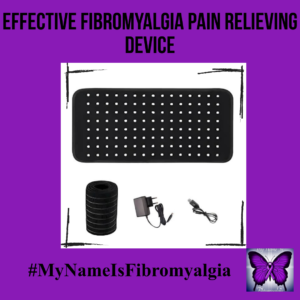
6. TENS (Transcutaneous Electrical Nerve Stimulation)
What it is:
Electrical stimulation is applied to muscles or nerves to reduce pain.
How it’s performed:
- Adhesive pads placed on painful areas
- Battery-powered unit sends electrical pulses
- Used at home or in physical therapy
- Sessions last 20–60 minutes
What it targets:
- Local pain
- Muscle tension
- Nerve signalling
What patients feel:
- Buzzing or pulsing sensation
- Temporary pain relief during and after use
MOVEMENT & BODY-BASED THERAPIES
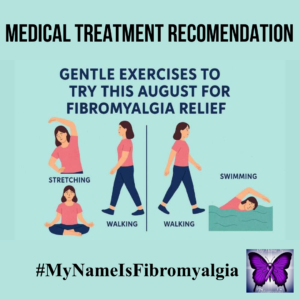
7. Graded Exercise Therapy (Fibromyalgia-Specific)
What it is:
Very gradual, symptom-paced movement—not intense workouts.
How it’s performed:
Begins with very low intensity (5–10 minutes)
Activities include:
- Walking
- Pool therapy
- Gentle stretching
- Increased slowly based on tolerance
What it targets:
- Stiffness
- Fatigue
- Deconditioning
What patients feel:
- Initial soreness is a possiblility
- Long-term reduction in flares when done correctly
8. Tai Chi, Yoga, Qigong
What it is:
Slow, controlled movements combined with breathing.
How it’s performed:
- Instructor-led or video-guided
- Movements are adaptable
- Typically 2–3 sessions per week
What it targets:
- Muscle tension
- Stress response
- Balance and coordination
What patients feel:
- Reduced pain sensitivity
- Improved flexibility
- Calming effect
PSYCHOLOGICAL & NERVOUS SYSTEM THERAPIES
9. Cognitive Behavioural Therapy (CBT)
What it is:
Structured therapy to reduce pain amplification by changing thought-behavior patterns.
How it’s performed:
- Weekly sessions with a therapist
- Teaches coping skills and pacing
- Often 8–12 sessions
What it targets:
- Pain catastrophizing
- Stress-pain cycles
- Sleep disruption
What patients feel:
- Better pain control
- Improved quality of life (even if pain remains)
10. Acceptance & Commitment Therapy (ACT)
What it is:
Focuses on functioning well despite pain, rather than eliminating pain.
How it’s performed:
- Therapist-guided sessions
- Mindfulness + values-based goals
- Similar schedule to CBT
What it targets:
- Emotional distress
- Fear-avoidance
- Chronic stress
SLEEP-FOCUSED INTERVENTIONS
11. Sleep Optimization Programs
What it is:
Structured strategies to restore deep sleep.
How it’s performed:
- Fixed sleep/wake times
- Reduced nighttime stimulation
- Sometimes paired with medication or CBT-I
What it targets:
Non-restorative sleep (core fibromyalgia issue)
SUPPORTIVE OPTIONS
12. Magnesium & Nutritional Support
What it is:
Supplementation to support muscle and nerve function.
How it’s performed:
- Oral magnesium (glycinate or citrate preferred)
- Taken daily
- Often combined with dietary adjustments
What it targets:
- Muscle cramps
- Sleep quality
- Nervous system calming
KEY TAKEAWAY
Fibromyalgia treatment works best when combined, not isolated. Most patients improve with:
- 1 medication (if tolerated)
- 1 nervous-system therapy
- 1 movement-based therapy
- Sleep support
Links to our research
https://pubmed.ncbi.nlm.nih.gov/40084994
https://pubmed.ncbi.nlm.nih.gov/41142233
https://pubmed.ncbi.nlm.nih.gov/39705187
https://pubmed.ncbi.nlm.nih.gov/29619620
https://www.nccih.nih.gov/health/providers/digest/mind-and-body-practices-for-fibromyalgia-science