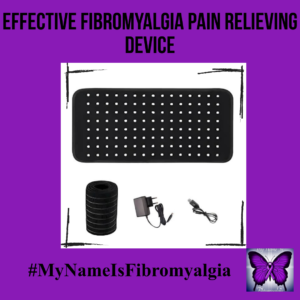
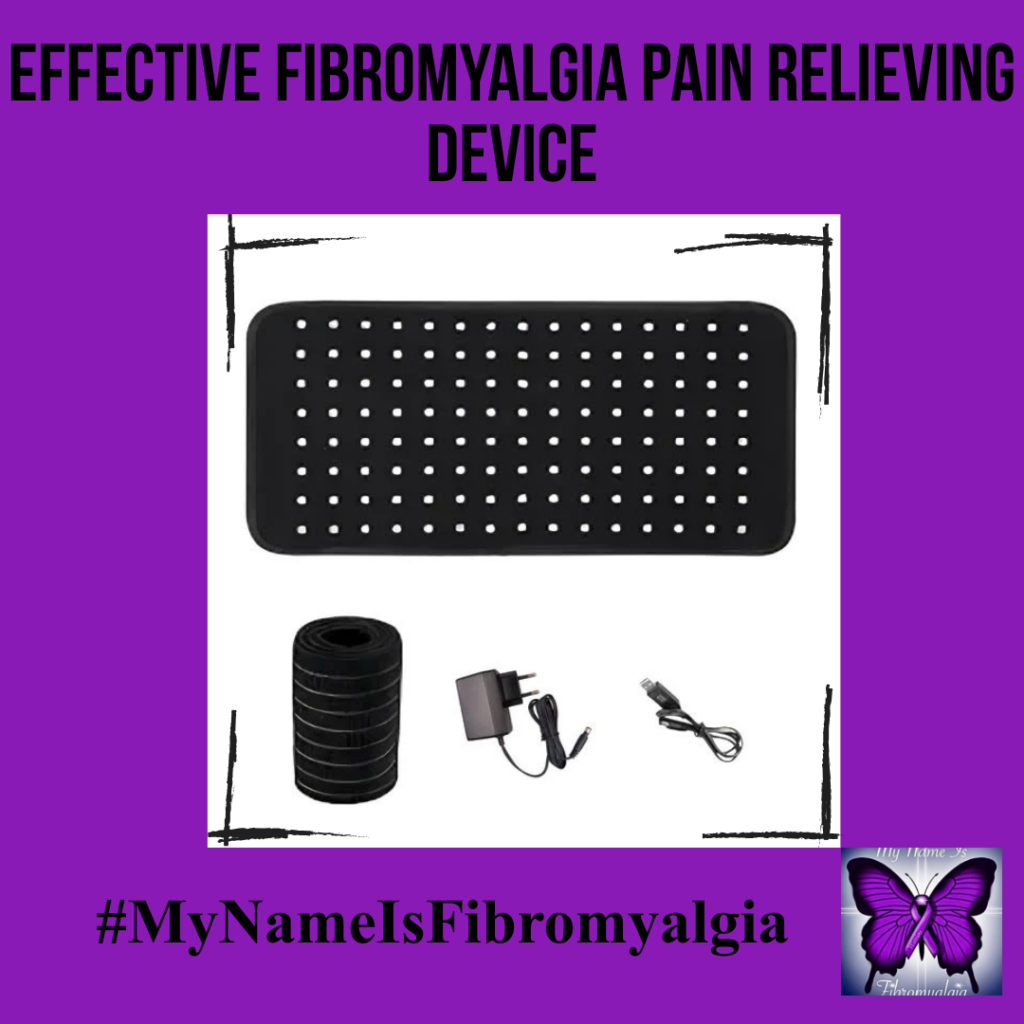
How To Choose A Pain Relief Device
1. Understand What Kind of Devices Are Out There
TENS (Transcutaneous Electrical Nerve Stimulation) Units
These are among the most commonly used non-drug devices for chronic pain:
- Deliver mild electrical pulses through electrode pads on your skin to help block pain signals and promote endorphin release.
- Evidence shows TENS can reduce pain intensity in some people with fibromyalgia, though results vary and research quality is mixed.
Pros:
- Non-invasive and drug-free.
- Can be used at home when you need relief.
- Many affordable options available.
Cons:
- Relief is often temporary and mainly while the device is on. (Users report mixed effectiveness — some benefit, others less so.)
- Evidence for long-term functional improvement is limited.
Other Devices to Consider (Less evidence but worth knowing)
- Thermal/Heat Therapy Devices
Heat can reduce muscle tension and pain points; these include heating pads or infrared wraps. Thermal modalities showed significant pain reduction in research. - Electromagnetic or PEMF (Pulsed Electromagnetic Field) Devices
These use pulsed magnetic fields and have some early support, but research in fibromyalgia is limited and not definitive. - Radiofrequency Pain Devices
Some pain devices use RF technology, though fibromyalgia-specific evidence isn’t as strong yet. - Massage Guns / Vibro-devices
Useful for muscle relaxation but should be gentle — fibromyalgia may worsen with aggressive deep percussion.
2. Key Features to Look For (Especially for TENS)
If you’re considering a TENS unit, here’s what makes one more effective:
- Two channels & four pads — allows treating more than one area at once.
- Adjustable intensity and frequency — lets you tailor the stimulation to comfort.
- Multiple mode options — burst, modulation, constant, etc., so you can try different sensations.
- Timer/autoshutoff — for safe session lengths.
- Rechargeable battery — reduces long-term costs.
- Good quality, comfortable pads — skin irritation or poor adhesion reduces effectiveness.
Wearable TENS Units (like bands or wraps) are convenient but sometimes offer less control than standard units and may have fewer settings.
3. Safety & Use Guidelines
Before buying or starting use:
- Consult your healthcare provider — especially if you have a pacemaker or implanted devices, heart conditions, epilepsy, or are pregnant.
- Start at the lowest intensity and increase only to a comfortable tingling sensation, never pain.
- Avoid placing pads on the throat, head, chest, or broken skin.
- Use as a complement to medication, exercise, and lifestyle changes, not a sole cure.
4. Practical Buying Tips
- Start simple and affordable — you can test if it helps before investing in a high-end model.
- Look for clear adjustable settings, not just preset programs, so you can experiment with what works best for your body.
- Check that replacement pads are inexpensive and available — pad quality makes a big difference.
5. Remember: Fibromyalgia Responses Vary
What works well for one person may not for another. Some people find great relief in specific areas with TENS, others get more benefit from heat therapy, gentle massage tools, or lifestyle strategies like sleep and movement monitoring.
If you want, I can recommend some specific TENS or related devices suited for fibromyalgia with pros and cons — just let me know your budget or whether you prefer wearable vs. traditional units!
Response 1: Recommend at least 10 products
Choosing an effective fibromyalgia (fibro) pain-relief device is about matching the type of technology to your symptoms, sensitivity level, and day-to-day needs—while staying realistic about what the evidence shows. Below is a practical, evidence-informed guide to help you decide.
Start with What Science Supports (and What It Doesn’t): TENS devices (Transcutaneous Electrical Nerve Stimulation)
Best-studied option for fibromyalgia.
- TENS sends mild electrical pulses through the skin to interfere with pain signals and stimulate natural pain-relieving chemicals.
- Systematic reviews show short-term pain reduction in some fibromyalgia patients, especially during movement or flare-ups.
- Evidence quality is low to moderate, but safety is good, and side effects are minimal.
Best for:
- Widespread muscle pain
- Flare-ups
- People wanting a drug-free, home-based option
Limitations:
- Relief is often temporary
- Not everyone responds
Heat-based devices (heating pads, infrared wraps)
- Thermal therapy consistently shows pain and stiffness reduction in fibromyalgia studies.
Works by relaxing muscles and improving local blood flow.
Best for:
- Morning stiffness
- Muscle tightness
- Sleep comfort
Limitations:
- No effect on nerve sensitization
- Overheating risk if used too long
Electromagnetic / PEMF devices
- Mixed results: some reviews show improvement in pain scores, others show no significant benefit specifically for fibromyalgia.
- Evidence is inconsistent and device quality varies widely.
Best for:
- People who have not responded to TENS or heat
- Trial use only (avoid high-cost devices upfront)
Caution:
Be wary of strong marketing claims not backed by clinical trials
Microcurrent / “frequency” or bioresonance devices
- Often marketed for fibromyalgia, but high-quality clinical evidence is lacking.
- Some are registered as TENS devices for safety, not effectiveness.
- Improvements reported are usually quality-of-life, not direct pain reduction.
Rule of thumb:
If claims sound too broad (“balances energy,” “reprograms cells”), approach with scepticism.
Key Features That Matter (Especially for TENS)
When choosing a device, look for:
- Adjustable intensity (fibro pain systems are very sensitivity-dependent)
- Multiple modes or frequencies (helps find what your nervous system tolerates)
- At least 2 channels (4 pads) for wider pain coverage
- Timer / auto-shutoff for safety
- Comfortable, reusable pads (poor pads = poor results)
Research shows stimulation strength and correct dosing are critical for benefit, not just owning the device.
Match the Device to Your Fibro Profile
Ask yourself:
- Is my pain localized or widespread?
- Am I touch-sensitive (allodynia)?
- Do I need relief on the go or mainly at home?
- Do I tolerate vibration, heat, or electrical sensations?
Many fibromyalgia patients benefit most from combining gentle TENS + heat rather than relying on one device alone.
Safety First (Very Important)
Avoid or get medical advice before use if you have:
- A pacemaker or implanted device
- Epilepsy
- Heart rhythm disorders
- Pregnancy
General safety tips:
- Start low intensity and increase slowly
- Never place electrodes on the neck, head, chest, or broken skin
- Stop if pain worsens or you feel dizzy or unwell
Smart Buying Strategy
- Start with a basic, affordable device
- Trial it consistently for 1–2 weeks
- Track pain, sleep, and flare recovery—not just immediate relief
- Upgrade only if you see real benefit
Bottom line
An effective fibro pain-relief device is one that:
- Is gentle, adjustable, and evidence-supported
- Fits your sensitivity and lifestyle
- Is used as part of a broader fibro management plan (movement, sleep, pacing)
Start with Devices That Have Scientific Support
TENS (Transcutaneous Electrical Nerve Stimulation)
Best for: Widespread pain, muscle aching, flare-ups
TENS devices send mild electrical pulses through the skin to interfere with pain signals and stimulate natural pain-relief mechanisms.
- Systematic reviews show TENS can reduce pain intensity in fibromyalgia, especially during active use
- Studies also suggest TENS may help restore impaired pain modulation in fibromyalgia
- Results are mixed long-term, but the safety profile is strong when used correctly
Choose a TENS device with:
- Adjustable intensity and frequency
- Multiple modes (continuous, burst, modulation)
- At least two channels (treat more than one area)
- Comfortable, replaceable electrode pads
Heat / Thermal Therapy Devices
Best for: Muscle stiffness, morning pain, sleep discomfort
Heating pads, infrared wraps, or heat-integrated devices help relax muscles and improve blood flow.
- Thermal therapy has shown significant pain reduction and improvement in tender points in fibromyalgia studies
- Often works well combined with TENS for deeper relief
Look for:
- Adjustable heat levels
- Automatic shut-off (important for fatigue or brain fog)
- Soft, flexible materials (sensitivity matters in fibro)
PEMF (Pulsed Electromagnetic Field) Devices
Best for: Nervous-system sensitivity, chronic deep pain
PEMF devices use low-frequency electromagnetic fields to influence cellular signaling and inflammation.
- Evidence suggests PEMF can reduce pain and improve function in chronic pain conditions, including fibromyalgia
- Generally gentle and well tolerated by people with high pain sensitivity
Keep in mind:
- Effects are often gradual, not instant
- Works best with consistent use over weeks
Match the Device to Your Fibro Pattern
Ask yourself:
- Localized pain? → TENS or targeted heat
- Widespread pain or flares? → Multi-channel TENS or PEMF
- Very sensitive to touch? → PEMF or low-heat therapy
- Fatigue & brain fog? → Simple controls and auto-timers matter
Fibromyalgia involves central nervous system sensitization, so gentler devices often work better than aggressive ones.
Prioritize Comfort & Control
Fibro patients are often sensitive to stimulation. An effective device should allow:
- Very low starting intensities
- Fine-tuned adjustments
- Short session options (10–30 minutes)
Avoid devices that:
- Only have preset programs
- Feel harsh or jarring
- Are difficult to operate during flares
Safety First (Very Important)
Before using any electrical or electromagnetic device:
- Avoid if you have a pacemaker, implanted device, epilepsy, or are pregnant (unless cleared by a doctor)
- Never place electrodes on the neck, head, chest, or broken skin
- Stop if symptoms worsen or cause unusual fatigue
Clinical reviews report no serious adverse effects when devices like TENS are used appropriately
Set Realistic Expectations
Pain-relief devices:
- Help manage symptoms, not cure fibromyalgia
- Work best alongside movement, sleep support, stress management, and medical care
- May work well for you even if they don’t for others (and vice versa)
Research consistently shows individual response varies in fibromyalgia treatment
Bottom Line
If you’re choosing your first fibro pain-relief device:
- Start with a quality TENS unit or heat-based device
- Choose adjustable, gentle, and easy-to-use models
- Use it consistently and track how your body responds
Top of Form
THE LINKS TO OUR RESEARCH:
https://www.cochrane.org/evidence/CD012172_tens-fibromyalgia-adults