NOW IF YOU WISH TO COMBINE TREATMENTS.

COMBINE TREATMENTS.
Based on our personal research and what the doctors say. Safest & most recommended combinations. (Highest benefit, lowest risk — supported by guidelines)
1. Medication (single agent) + Non-Drug Therapies
Why are they the safest:
They work on different systems, so they don’t compound side effects.
Examples
- TNX-102 SL or duloxetine
PLUS
- CBT or ACT
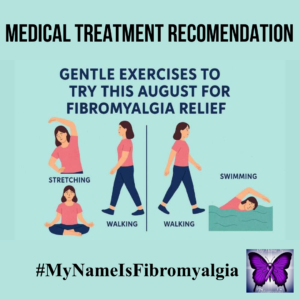
- Gentle exercise (walking, pool therapy, tai chi)
- Sleep optimization
Why it works
- Medication dampens central pain amplification
- CBT/exercise retrain the nervous system’s response to pain
- No pharmacologic interaction risk
- Guidelines consistently recommend this as first-line care
2. CBT or ACT + Exercise Therapy
Why this is very safe:
- Zero drug interactions
- Each reduces pain via different pathways
Why the combo works better than either alone
- CBT reduces fear-avoidance and catastrophizing
- Exercise improves circulation, stiffness, and pain tolerance
- CBT helps prevent post-exertional flares
- Often recommended before adding medications
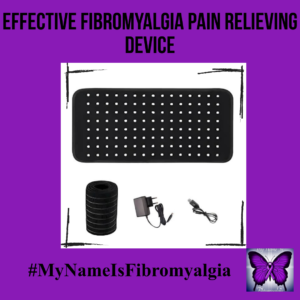
3. TENS + Physical Therapy or Exercise
Why this is safe:
- Localized nerve stimulation
- No systemic effects
Benefits
- TENS reduces pain during movement
- Makes exercise more tolerable
- No sedation, no brain effects
One of the lowest-risk adjuncts available
4. Tai Chi / Yoga / Qigong + CBT or ACT
Why this is safe:
- Both regulate the autonomic nervous system
- No medication overlap
Why does it help fibromyalgia specifically
- Slow movement calms central sensitization
- Mindfulness reduces pain amplification
- Strong evidence for improved quality of life
SAFE BUT REQUIRES CAUTION
(Usually okay, but dose/timing matters)
5. One CNS-Active Medication + Sleep Therapy
Examples:
- TNX-102 SL + CBT-I
- Duloxetine + sleep hygiene
Why it’s usually safe:
- Targets sleep from different angles
- Behavioural therapy lowers the need for higher doses
Caution
Monitor for:
- Excessive sedation
- Morning grogginess
Clinicians often reduce medication dose when CBT-I is added
6. Brain Stimulation (RTMS or TDCS) + Non-Drug Therapies
Why it’s generally safe:
- Non-invasive
- No systemic drug effects
Best paired with:
- Exercise
- CBT
- Physical therapy
Caution
Avoid combining multiple brain stimulation modalities simultaneously unless supervised
COMBINATIONS THAT NEED CLOSE MEDICAL SUPERVISION
7. Multiple CNS-Depressing Medications
Examples:
- TNX-102 SL + pregabalin
- Pregabalin + benzodiazepines
- Duloxetine + high-dose sedatives
Why risky:
Increased risk of:
- Dizziness
- Falls
- Cognitive impairment
- Breathing suppression during sleep
These combinations are not first-line
8. Ketamine + Other CNS-Active Drugs
Why caution is needed:
- Ketamine alters perception and blood pressure
- Can interact unpredictably with antidepressants or sedatives
- Only appropriate in specialty pain clinics
COMBINATIONS GENERALLY AVOIDED
9. Opioids + Fibromyalgia Medications
Why avoided:
- Fibromyalgia pain is not opioid-responsive
Opioids worsen:
- Central sensitization
- Fatigue
- Hyperalgesia over time
- Strongly discouraged by major guidelines
SAFEST “STACK” (EVIDENCE-BASED MODEL)
Most experts agree the lowest-risk, highest-benefit stack looks like this:
- ONE medication (if needed)
- ONE nervous-system therapy (CBT / ACT / mindfulness)
- ONE movement therapy (graded exercise, tai chi, pool therapy)
- Sleep optimization
This avoids overlapping side effects while addressing all drivers of fibromyalgia:
- Pain amplification
- Sleep disruption
- Stress response
- Physical deconditioning
Links to our research
https://www.cdc.gov/chronic-disease/fibromyalgia/index.html?utm_source=chatgpt.com
https://www.ncbi.nlm.nih.gov/sites/books/NBK540974/?utm_source=chatgpt.com
https://pubmed.ncbi.nlm.nih.gov/19264521/?utm_source=chatgpt.com
https://pubmed.ncbi.nlm.nih.gov/24348701/?utm_source=chatgpt.com
https://academic.oup.com/rheumatology/article/64/5/2385/7929825?utm_source=chatgpt.com